
Air Conditioner Blowing Not Cold: Complete Troubleshooting Guide
Few things feel more frustrating on a sweltering summer day than discovering the air conditioner is not blowing cold air. Whether it’s a central system, window unit, portable cooler, or car AC, warm air flowing from vents when cold air is expected signals a problem requiring immediate attention.
Understanding why my air conditioner is not blowing cold air involves examining multiple potential causes, from simple thermostat settings to complex mechanical failures. This comprehensive guide helps homeowners and vehicle owners diagnose and resolve cooling issues across all AC system types.
Why Is My Air Conditioner Not Blowing Cold Air?
Common Causes Across All AC Types
When an air conditioner is not blowing cold air but is running, several universal culprits exist regardless of system type. The most fundamental issue involves refrigerant levels—the chemical that actually creates cold air by absorbing heat from indoor spaces.
Low refrigerant doesn’t happen naturally through normal use. Instead, it indicates a leak somewhere in the system. As refrigerant escapes, cooling capacity diminishes until eventually only warm air blows from vents despite the system running continuously.
Dirty or blocked air filters represent another frequent cause. When filters become clogged with dust, pet hair, and debris, airflow restriction prevents proper heat exchange. The system runs, but can’t effectively cool the air passing through compromised filters.
System-Specific Considerations
Different AC types have unique failure points. Central air systems involve outdoor condenser units that can fail, while portable air conditioner not blowing cold air issues often relate to exhaust hose problems or water collection tank issues.
Car air conditioner not blowing cold air typically involves compressor clutch failures, blower motor problems, or refrigerant leaks—issues distinct from home cooling systems. Understanding these differences helps target troubleshooting efforts appropriately.
Air Conditioner Not Blowing Cold Air, But Running
The Running-But-Not-Cooling Scenario
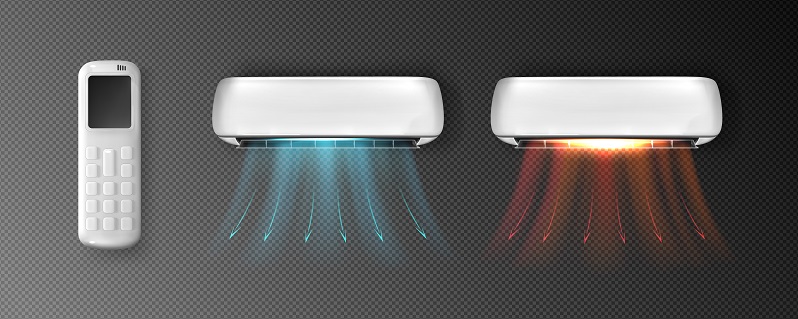
One of the most perplexing situations involves an air conditioner not blowing cold air but running normally. The system sounds operational, air flows from vents, but the air isn’t cold—sometimes it’s even warm.
This specific symptom often points to refrigerant issues or compressor failures. The fan and blower components function properly, moving air through the system, but the cooling mechanism itself has failed or become compromised.
Thermostat and Settings Issues
Before assuming mechanical failure, verify basic settings. Many “my air conditioner is not blowing cold air” complaintare resolvedve by checking:
- Thermostat set to “cool” mode rather than “fan only.”
- Temperature set belowthe current room temperature.
- Fan setting on “auto” rather than continuous run
- No schedule override is active on programmable thermostats
These simple checks take seconds but solve surprising numbers of reported cooling failures.
Electrical and Power Problems
Sometimes a house air conditioner not blowing cold air stems from a partial power loss. The indoor blower unit operates on a different power than the outdoor condenser. If a breaker trips serving the outdoor unit while indoor power remains, the system appears to run but can’t actually cool.
Check both the indoor and outdoor unit circuit breakers. Reset any tripped breakers and test the system again before proceeding with more complex troubleshooting.
Central Air Conditioner Not Blowing Cold Air

Outdoor Condenser Unit Issues
When a central air conditioner is not blowing cold air, the outdoor condenser unit deserves immediate inspection. This component contains the compressor and condenser coils that release absorbed heat to the outside environment.
Common outdoor unit problems include:
- Dirty condenser coils: Accumulated dirt, grass clippings, and debris block heat release
- Failed compressor: The heart of the cooling system stops functioning
- Frozen coils: Ice buildup prevents proper operation
- Fan motor failure: Can’t move air across coils for heat exchange
Indoor Air Handler Problems
The indoor component of central systems contains the evaporator coil and blower. Issues here prevent proper cooling even when outdoor units function correctly.
Frozen evaporator coils often cause cooling loss. When coils freeze, they can’t absorb heat from passing air. Causes include restricted airflow from dirty filters, low refrigerant levels, or blower motor failures.
Ductwork and Distribution Issues
Sometimes the AC produces cold air, but ductwork problems prevent proper distribution. Disconnected ducts, excessive leakage, or crushed flexible ducting in attics or crawl spaces allow cooled air to escape before reaching living spaces.
Checking accessible ductwork for obvious disconnections or damage helps identify distribution problems masquerading as AC failures.
Why Is My Car Air Conditioner Not Blowing Cold Air?
Automotive AC Fundamentals
Car AC systems operate on similar principles to home units but in much more compact configurations. Understanding why my car air conditioner is not blowing cold air requires examining components unique to automotive applications.
The compressor in automotive systems engages via an electromagnetic clutch. When this clutch fails, the compressor never activates, even though the AC button lights up on the dashboard. No compressor operation means no cold air production.
Common Car AC Failures
Refrigerant Leaks: Vehicle AC systems use R-134a or newer R-1234yf refrigerant. Seals deteriorate, hoses develop cracks, and connections loosen over time, allowing refrigerant to escape. Unlike home systems, car AC often requires annual recharging due to small, normal refrigerant loss.
Compressor Clutch Problems: The electromagnetic clutch that engages the compressor can fail mechanically or electrically. Listening for the clutch engagement click when the AC is turned on helps diagnose this issue.
Blower Motor Issues: If the fan doesn’t blow at all, the blower motor or its resistor has failed. Some air movement with weak flow suggests resistor problems, while complete silence indicates motor failure.
Electrical Problems: Blown fuses, faulty relays, or wiring issues prevent AC components from receiving power. These electrical faults create symptoms where the system appears dead or behaves erratically.
Temperature Blend Door Malfunction
Modern vehicles use electronic blend doors to mix hot and cold air for temperature control. When these doors fail or their control modules malfunction, hot engine coolant air mixes with AC air, resulting in warm output despite functional cooling components.
This problem proves particularly frustrating because the AC system itself works perfectly—the issue lies in air distribution and mixing.
Window Air Conditioner Not Blowing Cold Air, but Running
Window Unit Specific Issues
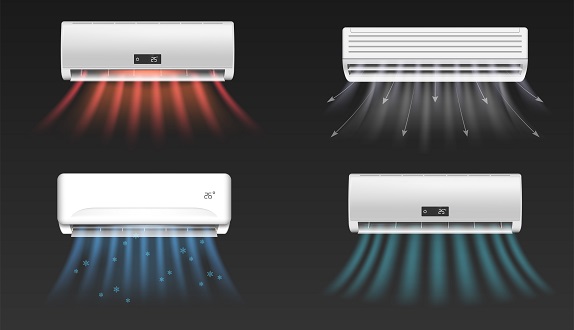
A window air conditioner not blowing cold air but running faces unique challenges due to its all-in-one design. These self-contained units combine all AC components in a single housing, creating specific failure patterns.
Dirty Filters and Coils: Window units accumulate dust rapidly since they’re mounted in openings exposed to outside elements. When a window air conditioner is not blowing cold, filter and coil cleaning often restores function.
Improper Installation: If the unit tilts forward instead of slightly backward, condensate water can’t drain properly. This water buildup interferes with the cooling operation and may freeze on coils.
Inadequate Room Sealing: Air leaks around the window unit allow hot outside air to enter, overwhelming the unit’s cooling capacity. The AC runs continuously but can’t keep up with heat infiltration.
Size and Capacity Mismatch
Window units sized too small for their spaces run constantly without achieving the desired temperatures. What appears as a cooling failure is actually inadequate capacity for the space being conditioned.
BTU ratings indicate cooling capacity. Rooms larger than the unit’s rated coverage area will experience poor cooling regardless of the unit’s mechanical condition.
Portable Air Conditioner Not Blowing Cold Air, but Running
Exhaust Hose Problems
When a portable air conditioner is not blowing cold air but running, exhaust hose issues top the suspect list. These units expel hot air through flexible hoses, and if hoses become kinked, crushed, disconnected, or excessively long, hot air can’t escape properly.
The unit recirculates expelled hot air back into the room, fighting its own cooling efforts. Ensuring the exhaust hose runs as straight and short as possible dramatically improves portable AC performance.
Water Collection Issues
Portable AC units remove humidity from the air as part of the cooling process. This water collects in internal tanks or continuously drains through hoses. When tanks fill or drain, hoses clog, some units automatically shut down cooling while continuing to run the fan.
Regular emptying of collection tanks and cleaning drain systems prevents this common portable air conditioner not blowing cold air problem.
Ventilation and Placement
Portable units need adequate clearance around air intake and exhaust areas. Placing units too close to walls, furniture, or curtains restricts airflow and reduces cooling effectiveness.
Following manufacturer clearance specifications ensures optimal performance. Generally, portable ACs need 12-20 inches of clear space around intake vents for proper operation.
What Causes an AC to Stop Blowing Cold Air?
Refrigerant System Failures
The refrigerant circuit includesa compressor, a condenser, an expansion valve, and an evaporator. Failure of any component disrupts the cooling cycle. Low refrigerant levels from leaks rank among the most common causes across all AC types.
Refrigerant doesn’t deplete through normal use—low levels always indicate leaks requiring professional repair. Adding refrigerant without fixing leaks provides only temporary relief before levels drop again.
Mechanical Component Wear
Moving parts eventually fail. Compressors, blower motors, and fans have limited lifespans. Typical residential AC compressors last 10-15 years, while window unit components may only survive 5-8 years with regular use.
Strange noises—grinding, squealing, or banging—often precede mechanical failures. Addressing unusual sounds promptly sometimes prevents complete breakdowns.
Maintenance Neglect
Many AC failures trace directly to neglected maintenance. Unchanged filters, uncleaned coils, and ignored minor issues compound into major failures requiring expensive repairs or replacement.
Regular maintenance, including filter changes, coil cleaning, and professional inspection,s extends AC lifespan and prevents many common cooling failures.
DIY Troubleshooting Steps
Start with Simple Checks
Before calling professionals, homeowners can investigate several potential causes:
- Verify thermostat settings: Confirm cooling mode, appropriate temperature setting, and no override schedules
- Check and replace filters: Dirty filters restrict airflow and reduce cooling
- Inspect circuit breakers: Reset any tripped breakers serving AC components
- Clean outdoor condenser: Remove debris, grass, and leaves blocking airflow
- Examine indoor vents: Ensure furniture or drapes don’t block return air vents
When to Call Professionals
While homeowners can handle basic troubleshooting, certain issues require professional HVAC technicians:
- Refrigerant leaks and recharging
- Compressor replacement
- Electrical system repairs
- Ductwork modifications
- Any work involving refrigerant handlingEPA-certifieded technicians required)
Attempting complex repairs without proper training risks personal injury, equipment damage, and violation of environmental regulations regarding refrigerant handling.
Prevention and Maintenance
Regular Filter Changes
The single most important maintenance task involves changing or cleaning filters monthly during heavy use periods. This simple action prevents numerous problems and extends system life significantly.
Quality pleated filters capture more particles than basic fiberglass models but may restrict airflow more. Balance filtration efficiency with appropriate airflow for the system.
Annual Professional Service
Professional HVAC technicians should inspect central AC systems annually, preferably before cooling season begins. These tune-ups identify developing problems, optimize performance, and prevent mid-summer breakdowns.
Service visits typically include:
- Refrigerant level checks
- Electrical connection inspection and tightening
- Component lubrication
- Condensate drain clearing
- Thermostat calibration
- Airflow measurement
Seasonal Preparation
Before summer’s peak heat arrives, test AC systems early. Discovering problems in April or May allows scheduled repairs rather than emergency service during heat waves when HVAC contractors are overwhelmed and charge premium rates.
Frequently Asked Questions
Why is my air conditioner not blowing cold air, but the fan works?
When an air conditioner is not blowing cold air but running with the fan working, the issue typically involves the cooling system components rather than air movement. Common causes include low refrigerant levels, a failed compressor, frozen evaporator coils, or a thermostat set to “fan only” instead of “cool” mode.
What should I check first when my air conditioner is not blowing cold air?
Start with the simplest possibilities: verify the thermostat is set to “cool” mode with temperature below room temp, check that air filters aren’t clogged, confirm circuit breakers haven’t tripped, and ensure outdoor condenser unit is running. These basic checks resolve many apparent AC failures without requiring professional service.
Can low refrigerant cause my air conditioner not to blow cold?
Yes, low refrigerant is one of the most common reasons for an air conditioner not blowing cold air. Refrigerant is essential for the cooling process—without adequate levels, the system cannot absorb and transfer heat effectively. Low refrigerant always indicates a leak, as these systems are sealed and don’t consume refrigerant during normal operation.
Why is my car air conditioner not blowing cold air?
A car air conditioner not blowing cold air typically results from refrigerant leaks, compressor clutch failure, blower motor problems, electrical issues, or temperature blend door malfunctions. Automotive AC systems are more prone to refrigerant loss than home systems and often require periodic recharging even without major leaks.
How much does it cost to fix an air conditioner not blowing cold air?
Repair costs vary dramatically based on the problem’s cause. Simple fixes like filter replacement cost under $50, while refrigerant recharge runs $150-$400. Major repairs like compressor replacement can exceed $1,500-$2,500. Diagnostic fees typically range from $75 to $150. Get multiple estimates for expensive repairs before proceeding.
Conclusion
Discovering an air conditioner blowing not cold triggers immediate concern, especially during peak summer heat. Understanding the various causes—from simple filter clogs to complex compressor failures—empowers homeowners and vehicle owners to diagnose problems effectively.
Whether dealing with a central air conditioner not blowing cold air, a portable unit struggling, or car AC issues, systematic troubleshooting, starting with simple checks,s often identifies solutions. While some repairs require professional expertise, many common causes yield to straightforward DIY fixes.
As AC technology advances with improved efficiency standards and smart home integration, newer systems provide better diagnostic capabilities and longer service lives. However, the fundamental principles of cooling remain constant, making proper maintenance and prompt attention to problems the keys to reliable, long-term AC performance regardless of system age or type.