
Introduction
One of the most persistent myths in public health is that Black people cannot get head lice. This belief is so widespread that the question “can Black people get lice” ranks among the most-searched lice-related queries online.
The short answer: Yes, Black people can get lice. But there is meaningful science behind why infestations are significantly less common — and understanding that science matters for proper diagnosis, treatment, and reducing stigma.
This article breaks down the biology of head lice, explains how hair texture affects susceptibility, and offers practical guidance for detection and treatment in textured and coily hair.
Do Black People Get Head Lice?
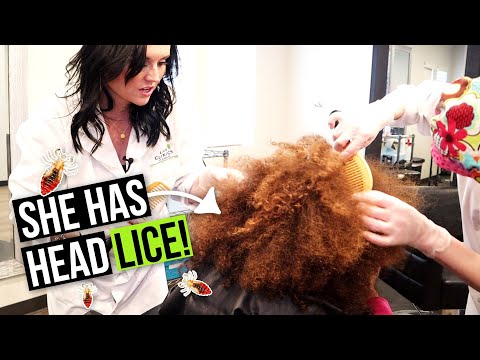
Yes. Head lice (Pediculus humanus capitis) do not discriminate by race or ethnicity. Any person with hair can theoretically contract head lice.
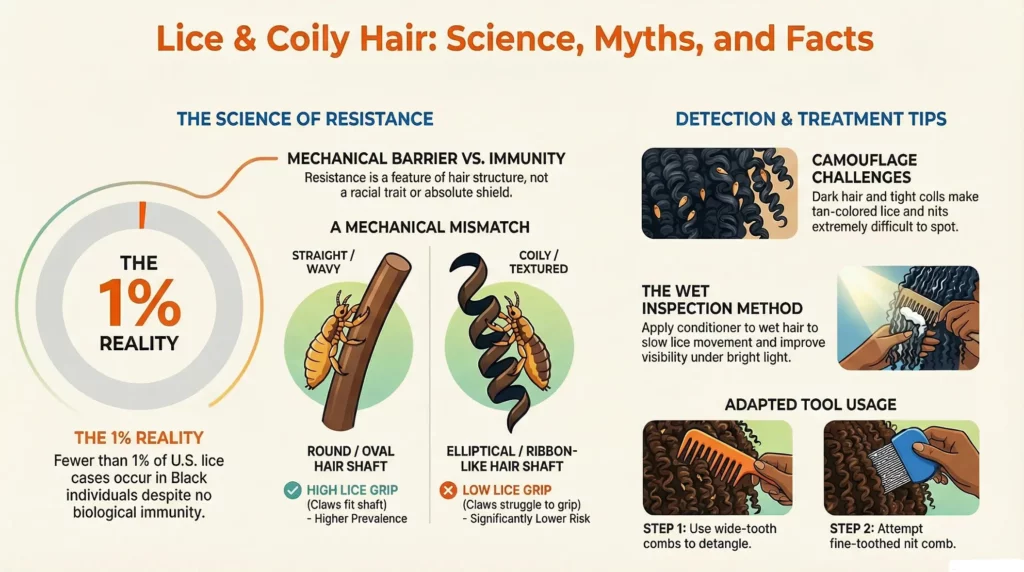
That said, infestation rates differ substantially. Research cited by the CDC shows that fewer than 1% of head lice cases in the United States occur in Black individuals — even though Black Americans represent approximately 13% of the population. This dramatic disparity is rooted in biology, not immunity.
Why Is the Myth So Common?
The myth that Black people are immune to lice persists for several reasons:
- School nurses and parents rarely encounter cases in Black children, reinforcing the assumption
- Public health materials and lice education have historically focused on straight-haired populations
- The very low prevalence is mistakenly interpreted as zero prevalence
- Online forums and social media spread the misconception unchecked
The reality is simple: Black people can get lice, but hair structure makes it harder for lice to establish themselves.
The Science: Why Coily Hair Resists Lice
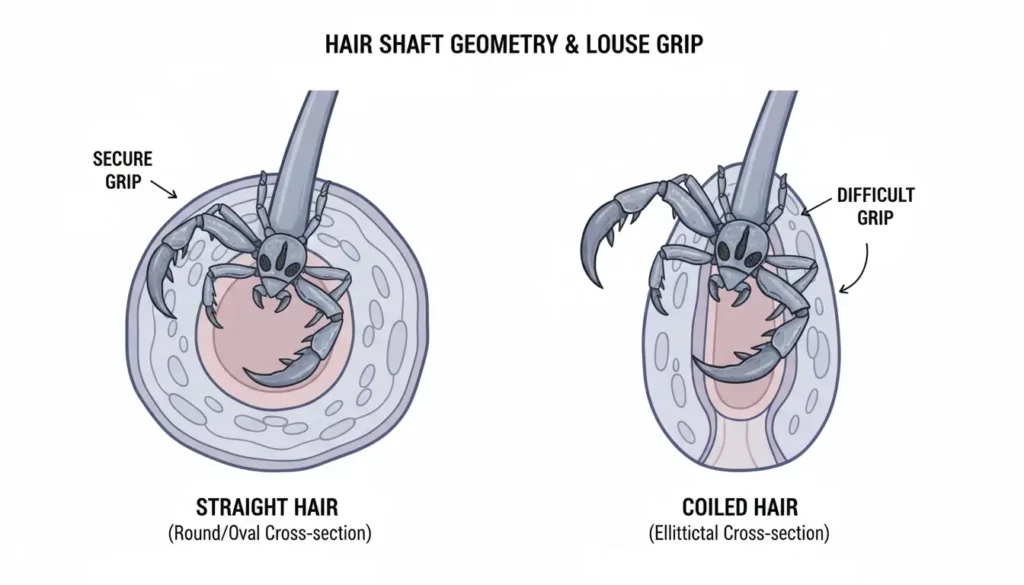
Head lice have evolved claws specifically shaped to grip and move along round or oval hair shafts — the typical cross-section found in straight and wavy hair textures common in Caucasian and Asian populations.
Black hair typically has an elliptical or ribbon-like cross-section with a tight coil pattern, a different surface texture, and varying shaft diameter along the strand. These structural characteristics make it mechanically difficult for standard head lice to grip the hair shaft and move efficiently.
This is not a racial trait — it is a feature of hair structure. The mismatch between lice’s claw shape and coily hair geometry is the primary reason infestations are rare, not impossible.
Common Questions About Lice and Black Hair
Can Black people get lice from white people?
Yes. Direct head-to-head contact is the primary route of transmission. While a louse may struggle to navigate coily hair initially, prolonged contact allows transfer to occur. Race does not create a barrier — hair structure creates a mechanical challenge, not an absolute shield.
Can Black people get lice with braids?
Yes. Protective styles such as braids do not prevent lice. In fact, hair extensions — particularly human hair — can carry lice if not properly cleaned before installation. Tight styles may also make detection harder, allowing an infestation to go unnoticed longer.
Can dreadlocks get lice?
Yes. Locs do not prevent infestation, and the dense, interwoven structure of mature dreadlocks can actually make detection and treatment significantly more difficult. Thorough combing becomes nearly impossible without unlocking the hair. However, the underlying hair texture still provides natural resistance, so overall risk remains low.
Can mixed-race or biracial people get lice?
Yes. People with mixed heritage and intermediate hair textures may experience susceptibility levels that vary depending on their specific hair structure. The more elliptical and coiled the hair shaft, the more natural resistance exists — but no hair type is fully immune.
Detecting Lice in Black Hair: What to Look For
When lice do occur in darker, coily hair, detection is more challenging than in light or straight hair. Here is what to know:
What lice look like in Black hair: Adult lice are tan to grayish-brown and roughly the size of a sesame seed. Against dark hair, they are extremely difficult to spot. Nits (eggs) appear as tiny oval specks firmly attached close to the scalp — they do not slide off when touched, which distinguishes them from dandruff.
Challenges specific to coily hair:
- Dark hair color naturally camouflages lice and nits
- Tight curl patterns create more hiding places
- Standard fine-toothed lice combs may not penetrate coily textures effectively
- Dry-hair inspection is less reliable than wet inspection
Tips for better detection:
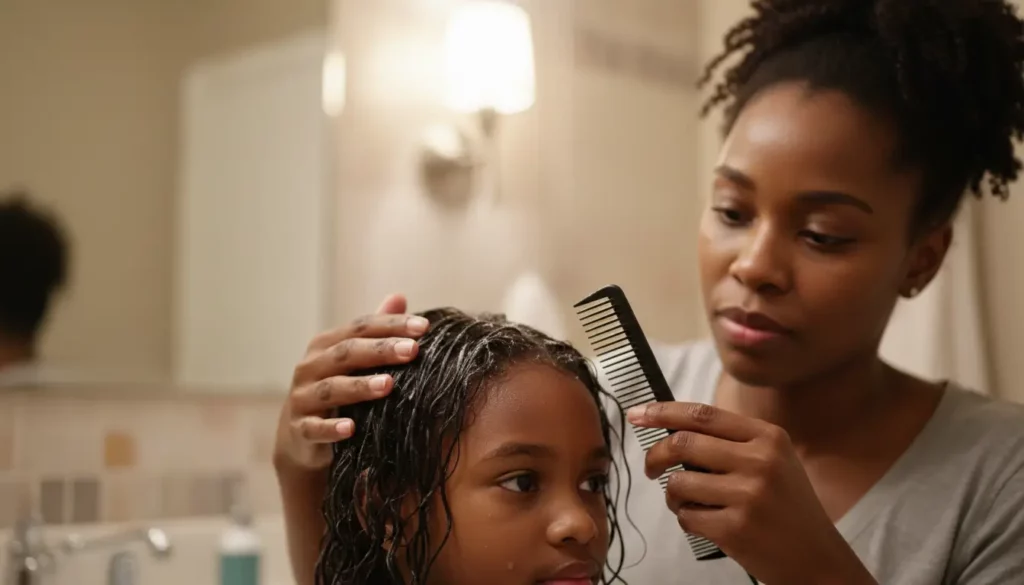
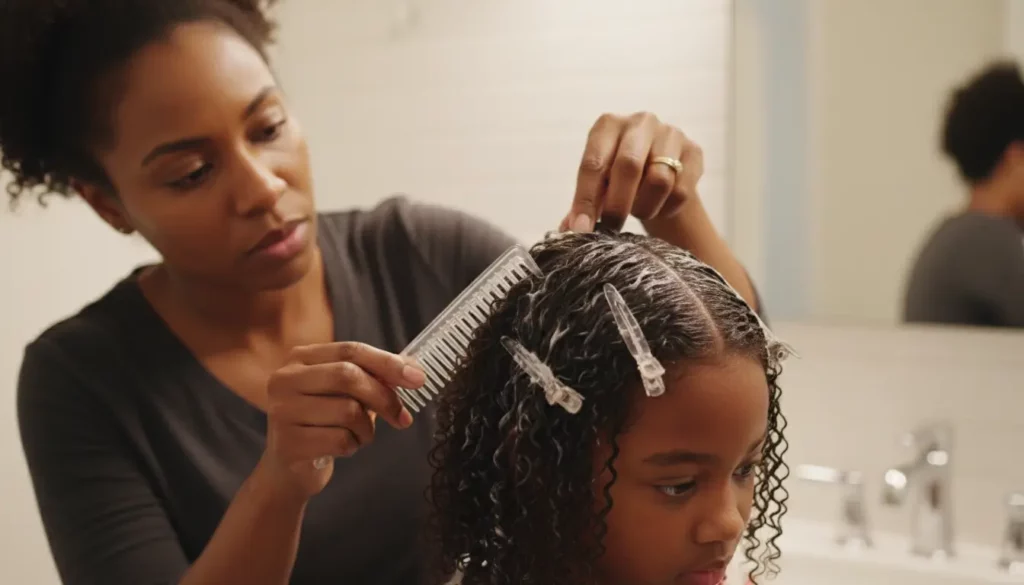
- Wet the hair and apply conditioner before inspecting — this slows lice movement and improves visibility
- Work under bright, direct light
- Section hair carefully and inspect each section thoroughly
- Use a wide-tooth comb first to detangle before moving to a finer comb
Treating Lice in Textured and Coily Hair
Standard over-the-counter lice treatments are effective on all hair types, but the application method requires adjustment for textured hair.
Modified treatment approach:
- Pre-treat hair with a light oil or conditioner to allow the product to penetrate the hair shaft evenly
- Divide hair into small, manageable sections before applying treatment
- Use a wide-tooth comb to remove tangles before attempting to use a nit comb
- Allow the treatment to remain for the full recommended time — or slightly longer for very dense hair
- Use a lice comb designed for textured hair; standard fine-tooth combs may not work effectively
- For very tight protective styles or locs, consider consulting a professional lice treatment service
Can Black people successfully eliminate lice? Absolutely — it simply requires adapted techniques and attention to hair texture.
Why Accurate Information Matters
The belief that Black people cannot get lice has real consequences:
Medical misdiagnosis: Healthcare providers who hold this misconception may overlook an active infestation in a Black patient, allowing it to spread within a household.
Social stigma: Because cases are rare in Black communities, they can carry disproportionate embarrassment. This prevents families from reporting or seeking treatment promptly.
Incomplete school policies: Schools with head checks may not inspect Black students thoroughly — or may lack the tools and training needed for effective checks on coily hair.
Gaps in public health education: Prevention materials often feature imagery and guidance centered on straight hair, leaving families with textured hair without relevant, actionable information.
Prevention Tips for All Hair Types

While the risk is lower for individuals with coily hair, prevention remains worthwhile — particularly in school-age children.
- Avoid head-to-head contact during close activities.
- Do not share hats, hair accessories, combs, or brushes
- Check hair regularly, especially after receiving a lice notification from school
- Inspect any human-hair extensions or wigs before installation
- Teach children about lice prevention regardless of hair type
- Regular use of hair oils and pomades may provide some deterrent effect, as lice prefer clean, dry hair
Frequently Asked Questions
Can you get lice if you are Black?
Yes. Black individuals can get head lice, though infestations are statistically uncommon due to hair structure. The elliptical cross-section of coily hair makes it harder for lice claws to grip the shaft — but not impossible.
Which group is least likely to get lice?
People of African descent have the lowest global rates of head lice infestation. This is a function of hair shaft shape, not race or immunity. Environmental factors such as hair care practices and the use of pomades may also play a role.
What do lice look like in Black hair?
Lice appear as tiny tan or grayish-brown insects near the scalp. Against dark hair, they are very difficult to see. Nits (eggs) are small, oval, and firmly attached to individual strands near the scalp. Wet inspection under bright lighting is the most effective detection method.
Can dreadlocks get lice?
Yes. Locs do not prevent lice. Mature dreadlocks can actually make detection and treatment especially difficult because of their dense structure. If lice are suspected, professional assistance may be needed.
Why do some people say Black people cannot get lice?
This myth arose from the dramatic difference in infestation rates. Because fewer than 1% of U.S. lice cases occur in Black individuals, the low prevalence was mistakenly interpreted as immunity. The real explanation is mechanical: lice claws are poorly adapted to grip coily, elliptical hair shafts.
Conclusion
The answer to “can Black people get lice?” is unambiguously yes, though the structure of coily hair creates a meaningful natural barrier that makes infestations uncommon. This distinction is critical. Assuming full immunity leads to delayed diagnoses, increased stigma when cases do arise, and gaps in public health education that affect real families.
Understanding the science allows everyone to recognize symptoms, seek appropriate treatment, and advocate for inclusive health information. No one is immune to head lice — and everyone deserves accurate guidance regardless of hair type or background.