
How to Make Matcha: A Complete Guide
The vibrant green color and unique flavor of matcha have transformed this traditional Japanese tea into a global phenomenon. Understanding how to make a matcha properly—whether as a traditional tea or a creamy latte—unlocks a world of health benefits and delicious beverage possibilities that coffee lovers and tea enthusiasts alike are discovering.
Learning how to make a matcha latte at home not only saves money compared to café prices but also allows complete control over ingredients and sweetness levels. This comprehensive guide covers everything from traditional preparation methods to modern variations, ensuring perfect results every time.
How to Make the Best Matcha Ever
Understanding Quality and Grade
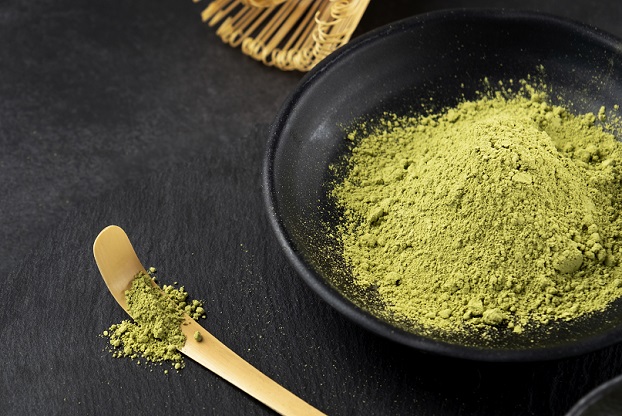
The foundation of exceptional matcha starts with selecting the right powder. Ceremonial-grade matcha offers the finest quality with a vibrant green hue, smooth texture, and naturally sweet flavor. This premium grade works beautifully for traditional preparation and drinking straight with water.
Culinary-grade matcha, while more affordable, carries a slightly more bitter taste and works better when combined with milk and sweeteners in lattes. The ground powder should smell fresh and grassy, never musty or fishy, which indicates age or poor storage.
Essential Tools for Perfect Matcha
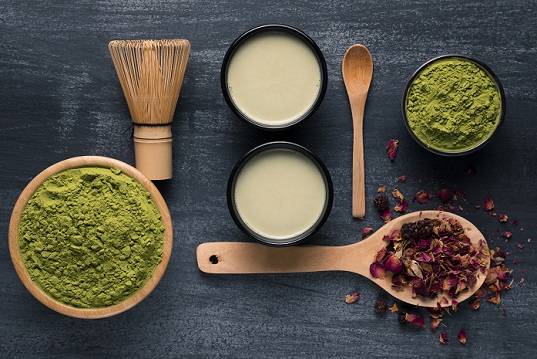
Traditional Japanese tea ceremony tools create the best results:
- Tea bowl (chawan): Wide enough for proper whisking motion
- Bamboo whisk (chasen): Creates signature foam and prevents clumps
- Bamboo scoop (chashaku): Measures precise portions
- Fine mesh sifter: Ensures lump-free powder
These traditional tools represent a centuries-old tradition, though modern alternatives exist for those starting their matcha journey.
Temperature and Timing
Water temperature dramatically affects matcha taste. The ideal range falls between 160-175°F (70-80°C). Boiling water destroys delicate flavors and beneficial compounds, while water that’s too cool won’t properly dissolve the powder.
Timing matters too—matcha tastes best consumed immediately after preparation. The foam settles quickly, and the flavor profile changes as the drink sits, so preparation and enjoyment should flow together as part of a daily ritual.
How to Make Traditional Matcha
The Classic Preparation Method
Traditional matcha preparation follows a specific method refined over centuries in Japan:
Step 1: Sift the Powder Place 1-2 teaspoons of matcha powder into a fine mesh sifter positioned over the tea bowl. Gently press the powder through to remove any clumps that naturally form as the fine particles absorb moisture from the air.
Step 2: Add Warm Water Pour approximately 2 ounces (60ml) of hot water at the correct temperature into the bowl with the sifted powder. This small amount allows for proper whisking before adjusting the final strength.
Step 3: Whisk Vigorously Using the bamboo whisk, employ a rapid zigzag motion—similar to writing the letter “W” repeatedly—rather than circular stirring. This technique incorporates air and creates the characteristic foam layer that indicates properly prepared matcha tea.
Whisk for 15-30 seconds until small bubbles cover the surface, and no powder clumps remain visible at the bottom of the bowl.
Step 4: Adjust Consistent. cy Add more warm water to achieve the desired strength. Traditional thin tea (usucha) uses more water for a lighter beverage, while thick tea (koicha) uses less water and more powder for an intensely concentrated experience.
Step 5: Enjoy Mindfully Drink the matcha immediately, appreciating the smooth texture, earthy flavor, and sense of mental clarity that follows. This mindful consumption forms part of the ritual that makes matcha special beyond its nutritional benefits.
How to Make Matcha Tea Easily
Simplified Method for Beginners
Not everyone owns traditional tools when first learning how to make matcha tea without a whisk. Several alternatives work well for beginners:
Using an Electric Frother: Small handheld milk frothers dissolve matcha powder effectively and create decent foam, though not quite matching bamboo whisk results.
Jar Shaking Method: Combine matcha powder with water in a sealed jar or shaker bottle. Shake vigorously for 30-60 seconds. This method works surprisingly well for how to make matcha without a whisk, especially for iced variations.
Blender Method: For larger quantities, blend matcha powder with water for 10-15 seconds. This creates smooth, well-mixed tea, though without the traditional foam layer.
Quick Preparation Tips
Pre-sift in Batches: Sift several servings of matcha powder into an airtight container. This preparation saves time during busy mornings while ensuring consistently smooth results.
Water Temperature Shortcuts: Without a thermometer, bring water to a boil, then let it cool for 5 minutes. This timing typically brings the temperature into the ideal range for matcha preparation.
Clean Tools Immediately: Rinse the bamboo whisk and bowl right after use. The delicate bamboo whisk stays in better condition when cleaned promptly rather than allowing matcha to dry on the tines.
How to Make the Perfect Matcha Latte at Home
Classic Hot Matcha Latte
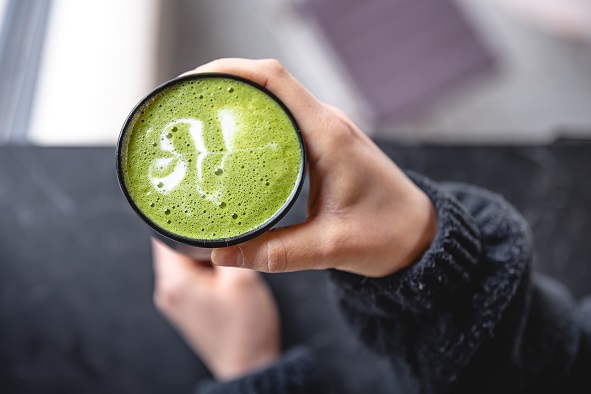
Learning how to make a hot matcha latte transforms a simple beverage into a café-quality treat:
- Prepare Matcha Base: Sift 1-2 teaspoons matcha powder into a cup. Add 2 ounces of hot water and whisk until smooth and frothy.
- Heat the Milk: Warm 6-8 ounces of milk (dairy or plant-based) to about 150°F—steaming but not boiling. This temperature creates the best texture and taste.
- Froth the Milk: Use a milk frother, French press, or whisk to create foam. The more air incorporated, the creamier the latte becomes.
- Combine: Pour the frothed milk over the prepared matcha, holding back foam with a spoon. Top with the remaining foam for a beautiful presentation.
- Sweeten If Desired: Add honey, maple syrup, or vanilla syrup to taste. Start with small amounts—matcha’s natural flavor shines without excessive sweetness.
How to Make a Matcha Latte at Home Successfully
Success in making a matcha latte at home comes from balancing proportions:
- Stronger matcha flavor: Use more powder (2 teaspoons) and less milk (6 oz)
- Milder, creamier latte: Use less powder (1 teaspoon) and more milk (8-10 oz)
- Café-style sweetness: Add 1-2 tablespoons of liquid sweetener
Experiment with ratios until finding personal preferences. Everyone’s taste differs, and part of making matcha at home involves customizing drinks exactly to individual liking.
Milk Alternatives for Matcha Lattes
Different milk types create distinct flavor profiles and textures:
Oat Milk: Naturally sweet, froths beautifully, and has become the most popular choice for matcha lattes. The mild flavor complements matcha without overwhelming it.
Almond Milk: Lighter and slightly nutty. Works well but doesn’t froth as richly as oat or dairy milk.
Coconut Milk: Adds tropical notes and creamy texture. The stronger flavor works better with more matcha powder to maintain balance.
Dairy Milk: Traditional choice that froths excellently. Whole milk creates the richest texture, while 2% offers a lighter alternative.
Soy Milk: High protein content and neutral flavor. Froths well and works for those avoiding both dairy and nuts.
How to Make a Matcha Latte Iced
Perfect Iced Matcha Latte Method
Summer days call for knowing how to make aniced matcha latte:
- Prepare Matcha Concentrate: Sift matcha powder into a glass or shaker. Add 2-3 ounces of warm water (not cold—warm water dissolves powder better). Whisk or shake until completely smooth.
- Cool the Base: Let the matcha mixture cool to room temperature, or refrigerate for 5-10 minutes if in a hurry.
- Build the Drink: Fill a tall glass with ice cubes. Pour cold milk over the ice, leaving room at the top.
- Add Matcha: Pour the cooled matcha concentrate over the milk. The layered effect looks beautiful before stirring.
- Mix and Enjoy: Stir to combine all layers, or enjoy the Instagram-worthy layers before mixing.
How to Make a Matcha Iced Latte Variations
Vanilla Iced Matcha: Add 1-2 pumps of vanilla syrup before mixing. This classic combination enhances matcha’s natural sweetness.
Brown Sugar Matcha: Dissolve brown sugar in the warm matcha base before cooling. This creates a caramel-like sweetness popular in bubble tea shops.
Creamy Cold Foam Top: Blend cold milk with a touch of sweetener until frothy, then spoon over iced matcha for a luxurious texture contrast.
How to Make a Matcha Latte Taste Good from Dunkin
Those wondering how to make a matcha latte taste good from Dunkin’ at home should note that Dunkin’ uses pre-sweetened matcha powder. To recreate their flavor profile:
- Use 2 teaspoons of matcha powder
- Add 2 tablespoons of liquid cane sugar or simple syrup
- Use whole milk for richness
- Serve over plenty of ice
Keep in mind that Dunkin’s matcha is much sweeter than traditional preparation. Those preferring less sweet drinks should reduce added sugar significantly.
Tips for Perfect Matcha Drinks
Storage and Freshness
Matcha powder degrades when exposed to light, air, and heat. Store it in an airtight container in the refrigerator to preserve its vibrant color and fresh flavor. Use opened matcha within 1-2 months for optimal taste and health benefits.
Quality matcha represents an investment in wellness, so proper storage protects both the financial and nutritional value.
Experimenting with Flavors
Once comfortable with basic preparation, try creative additions:
- Cinnamon: Adds warming spice that complements matcha’s earthiness
- Cardamom: Provides aromatic, slightly floral notes
- Turmeric: Creates a powerful anti-inflammatory golden matcha
- Lavender: Offers calming floral aromatics
- Ginger: Adds spicy warmth and digestive benefits
Start with small amounts—a pinch of spice goes a long way with matcha’s delicate flavor.
Understanding the Health Benefits
Matcha provides concentrated nutrition since consumers ingest the entire leaf rather than just steeped water. The whole leaf consumption delivers powerful antioxidants called catechins, particularly EGCG, which supports cellular health.
The combination of caffeine and L-theanine creates sustained energy and mental clarity without the jitters or crash associated with coffee. Many people report improved focus and calm alertness that lasts several hours after drinking matcha.
Regular matcha consumption may support metabolism, provide immune system benefits, and contribute to overall wellness as part of a balanced lifestyle.
Why Matcha Has Captured Hearts
The Cultural Connection
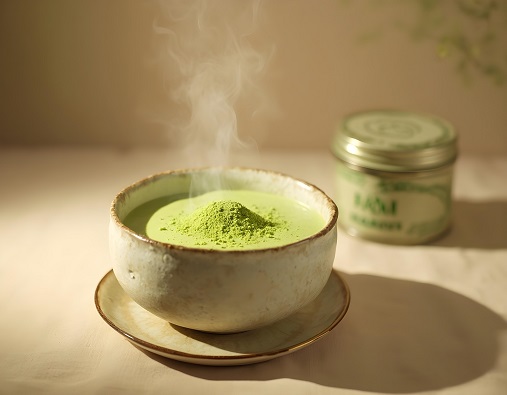
TJapaneseese tea ceremony elevated matcha preparation to an art form, emphasizing mindfulness, respect, and beauty. While modern matcha drinking rarely follows full ceremonial protocols, the underlying principles of presence and intentionality remain appealing.
Creating a personal daily ritual around matcha preparation offers a moment of calm in hectic schedules—a brief meditation that happens to result in a delicious, healthful drink.
Gen Z and Matcha Culture
Understanding why Gen Z is obsessed with matcha reveals several factors driving its popularity among younger generations:
Visual Appeal: The vibrant green color photographs beautifully for Instagram and TikTok, making matcha drinks highly shareable content.
Health Consciousness: Younger consumers prioritize wellness and appreciate matcha’s nutritional profile and natural energy boost without artificial ingredients.
Coffee Alternative: Many Gen Z individuals seek alternatives to coffee’s intensity and potential anxiety effects. Matcha provides caffeine with calmer energy.
Cultural Interest: Growing appreciation for Japanese culture, aesthetics, and mindfulness practices makes matcha consumption feel meaningful beyond just a beverage choice.
Sustainability Values: Consuming the whole leaf rather than discarding tea bags aligns with environmental consciousness common among younger consumers.
Frequently Asked Questions
What is the correct way to make matcha?
The correct way to make matcha follows traditional Japanese methods: sift 1-2 teaspoons of matcha powder into a bowl, add 2 ounces of hot water (160-175°F), whisk vigorously in a zigzag motion with a bamboo whisk until frothy, then add more water to the desired strength. This creates smooth, properly dissolved matcha without clumps or bitterness.
Do I mix matcha with milk or water?
Traditional matcha tea is mixed with hot water only. Matcha lattes combine matcha with water first to dissolve the powder, then add steamed or cold milk. Always dissolve matcha powder in water initially—adding powder directly to milk makes it difficult to achieve smooth, lump-free consistency.
How to make a perfect matcha drink?
To make a perfect matcha drink, use high-quality ceremonial grade powder, sift before whisking to prevent clumps, maintain proper water temperature (160-175°F), whisk vigorously to create foam, and drink immediately after preparation. Quality ingredients and proper technique combine to create exceptional matcha every time.
Why is Gen Z obsessed with matcha?
Gen Z embraces matcha for its photogenic appearance on social media, health benefits including calm energy without coffee jitters, connection to Japanese culture and mindfulness, sustainability values, and café culture normalization. The combination of wellness benefits, aesthetic appeal, and cultural significance makes matcha particularly resonant with younger generations’ values and lifestyle priorities.
Can you make matcha without traditional tools?
Yes, you can make matcha without traditional tools using alternatives like electric milk frothers, sealed jars for shaking, or small blenders. While these methods don’t produce the same signature foam and smooth texture as bamboo whisks, they create drinkable matcha suitable for lattes and everyday consumption when traditional tools aren’t available.
Conclusion
Mastering how to make matcha opens doors to both traditional tea ceremony appreciation and modern café-style creativity. Whether learning how to make a matcha latte at home for daily enjoyment or exploring how to make a hot matcha latte for cozy mornings, the basic principles remain accessible to anyone willing to invest a few minutes in mindful preparation.
The beauty of matcha lies in its adaptability—it honors centuries-old tradition while embracing contemporary innovations like iced variations and creative flavor combinations. Understanding how to make a matcha latte iced for summer refreshment or how to make a iced matcha latte with perfect proportions adds versatility to anyone’s beverage repertoire.
As matcha’s popularity continues to grow globally, more people discover that café-quality drinks are achievable at home with minimal equipment and practice. The ritual of preparation offers meditative benefits beyond the drink itself, creating moments of calm and intention in busy modern lives. Whether someone resonates with matcha’s health benefits, cultural heritage, or simply its unique flavor, learning proper preparation techniques ensures every cup delivers satisfaction and nourishment.