
White Coffee Beans: Complete Guide
Dans un cadre pensé pour gagner, avec olympia casino, des offres adaptées aux joueurs patients. Jouez en visant un statut qui s’impose avec le temps et laissez la tradition du casino guider vos décisions. L’instant est idéal pour continuer, lorsque l’instant devient décisif.
In specialty coffee circles, white coffee beans represent one of the most intriguing alternative roast profiles available to coffee enthusiasts. Unlike the familiar black coffee most people drink daily, white coffee undergoes a unique roasting process that creates a completely different taste, caffeine content, and brewing experience that’s gaining fresh trend status among those seeking a little adventure in their morning cup.
Understanding what white coffee beans offer—from their nutty flavor profile to potential health benefits—helps coffee lovers decide whether this innovative roast deserves a place in their rotation alongside regular coffee options.
What Is White Coffee? A Niche Way to Enjoy the Magical Bean
Defining White Coffee
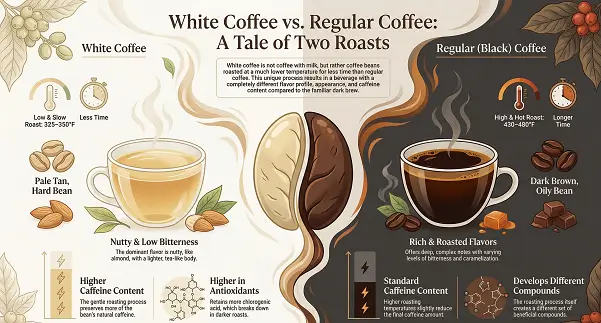
White coffee beans result from roasting coffee beans at much lower temperatures and for shorter times than conventional roasting methods. While regular coffee reaches internal temperatures of 400-480°F during roasting, white coffee stops around 325-350°F, resulting in beans that remain pale tan or beige rather than the familiar brown or black of standard roasts.
This minimal roasting process creates a product that bears little resemblance to black coffee in appearance, taste, or brewing characteristics. The beans retain a much harder texture due to incomplete cellular breakdown that normally occurs during deeper roasting.
Historical Context
White coffee has a long history in certain cultures, particularly Malaysian Ipoh coffee traditions. In Ipoh, white coffee refers to beans roasted with margarine at lower temperatures, creating a distinctive local specialty that’s been enjoyed for generations.
The modern Western appeal of white coffee represents a fresh trend driven by health-conscious consumers and coffee enthusiasts seeking alternative experiences beyond darker roasts available everywhere.
The Unique Roasting Process
The roasting process for white coffee requires careful control and expertise. Roasters must achieve sufficient roasting to eliminate raw bean characteristics while maintaining the properties that make white coffee unique. This delicate balance means not all local roasters offer white coffee, as it demands different equipment settings and quality assessment criteria than conventional roasting.
The innovative roast technique preserves compounds that typically break down during standard roasting, including higher levels of chlorogenic acid and other antioxidants that contribute to white coffee’s potential health benefits.
The Best White Coffee Beans: A Guide to Elevating Your Brew
Selecting Quality White Coffee
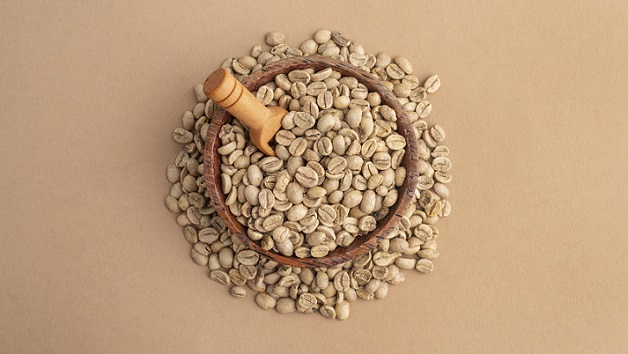
Finding the best white coffee beans starts with sourcing from reputable specialty roasters who understand the nuanced roasting process required. High-quality arabica beans serve as the best foundation for white coffee, just as they do for premium regular coffee.
When shopping for white coffee beans, look for:
- Recent roast dates (freshness matters even more with white coffee)
- Origin information indicating Arabica varieties
- Roaster reputation in specialty coffee communities
- Clear brewing instructions specific to white coffee
- Transparent sourcing and roasting practices
Where Can I Buy White Coffee Beans
Several online options provide access to white coffee for those whose local roasters don’t carry it:
Specialty Coffee Retailers: Online specialty coffee shops increasingly stock white coffee alongside their standard offerings, with detailed product descriptions helping customers understand what to expect.
Direct from Roasters: Some roasters specializing in alternative roast profiles sell directly through their websites, often offering subscription services for frequent drinkers who discover they enjoy this unique style.
Marketplace Platforms: E-commerce sites carry white coffee from various producers, though quality varies significantly. Reading reviews from other coffee enthusiasts helps identify reliable options.
The “bags. caffe apposinato” or “bag ideal” size depends on consumption patterns and storage capabilities. Because white coffee stays fresh longer than darker roasts due to less oil exposure, larger bags may make sense for regular drinkers.
White Roast Coffee Beans: Characteristics and Profile
Flavor Profile
The flavor profile of white coffee differs dramatically fromthat of regular coffee. Expect:
Nutty Flavor: The most prominent characteristic involves strong nutty notes, often compared to hazelnuts or almonds, dominating the taste experience.
Subtle Flavors: The minimal roasting preserves bean origin characteristics that darker roasts overwhelm, allowing subtle flavors from specific growing regions to shine through.
Reduced Bitterness: The compounds responsible for coffee bitterness develop during roasting, so white coffee exhibits much less bitterness than black coffee, though some find it has an unusual taste requiring adjustment.
Natural Taste: With fewer roasted notes, white coffee offers a closer approximation of the coffee bean’s natural taste before extensive heat transformation.
Caffeine Content
One of white coffee’s biggest appeals involves its caffeine content. Because roasting reduces caffeine levels slightly, white coffee beans retain more caffeine than darker roasts, providing an extra caffeine kick for those needing additional energy.
This higher caffeine content makes white coffee popular among frequent drinkers seeking maximum effect from each cup, though the difference, while noticeable, isn’t as dramatic as some marketing suggests.
Color and Appearance
True to its name, white coffee appears much lighter than regular coffee—more of a tan or beige liquid rather than the deep brown or black of conventional brews. This unusual appearance takes getting used to, as our expectations about how coffee should look are deeply ingrained.
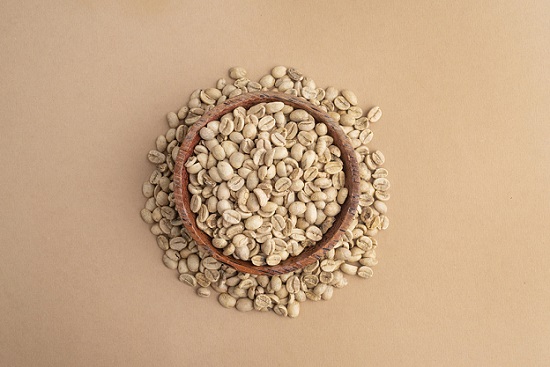
The beans themselves remain a light tan color, contrasting sharply with the glossy dark brown of typical roasted coffee beans.
White Coffee Beans Benefits
Potential Health Benefits
White coffee offers several potential health benefits stemming from its unique roasting process:
Higher Antioxidants: The chlorogenic acid and other antioxidants that partially break down during normal roasting remain more intact in white coffee, potentially providing enhanced health benefits compared to darker roasts.
Lower Acidity: Some people find white coffee easier on their stomachs than regular coffee, though scientific evidence on this point remains limited.
More Caffeine for Weight Management: The higher caffeine content may support metabolism and energy expenditure, making white coffee a healthy alternative for those using caffeine strategically.
Fewer Bitter Compounds: Reduced bitterness means less need for added sugar or sweeteners to make the drink palatable, supporting healthier consumption patterns.
Energy and Focus
The combination of higher caffeine and preserved natural compounds creates sustained energy without the jitters some experience with very dark roasts. This makes white coffee appealing for productivity-focused drinkers seeking optimal cognitive performance.
White Coffee Beans vs Black: Key Differences
Roasting Comparison
The fundamental difference between white coffee beans and black coffee lies in roasting temperature and duration:
- White Coffee: 325-350°F, shorter roasting time
- Light Roasts: 350-410°F
- Medium Roasts: 410-430°F
- Dark/Black Coffee: 430-480°F
This temperature difference creates cascading effects on every characteristic, from flavor to brewing requirements.
Taste and Flavor
Black coffee offers:
- Rich, roasted flavors
- Varying bitterness levels
- Caramelized notes
- Deep, complex taste profiles
White coffee provides:
- Nutty, grain-like flavors
- Minimal bitterness
- Subtle, origin-specific notes
- Lighter, tea-like body
Caffeine and Health
While both offer health benefits and caffeine, white coffee edges ahead in caffeine content and certain antioxidant levels, while black coffee provides different beneficial compounds created during the roasting process.
White Coffee vs Latte: Understanding the Distinction
Clarifying Terminology
“White coffee” sometimes confuses because the term “white coffee” in some contexts refers to regular coffee with milk added—essentially what Americans might call coffee with cream or what others call a café au lait.
However, in the context of white coffee beans, we’re discussing the roast level, not the addition of milk. You can drink white coffee black (without milk) or add milk alternatives like almond milk, just as with any coffee.
Beverage Preparation
A latte involves:
- Espresso (typically from medium to dark roasts)
- Steamed milk
- A small amount of milk foam
- Standard coffee-to-milk ratio favors milk
White coffee can be:
- Brewed and consumed black
- Mixed with milk or milk alternatives
- Prepared as a latte using an espresso machine (though challenging due to bean hardness)
- Served in various ratios depending on preference
The distinction matters because white coffee represents an ingredient (the roasted beans), while a latte describes a specific preparation method.
Brewing White Coffee: Methods and Tips
Grinding Challenges
White coffee’s harder texture presents challenges for home grinding. Many standard grinders struggle with white beans, potentially damaging burrs or motors. For best results:
- Purchase pre-ground white coffee from roasters
- Use industrial-grade grinders if grinding at home
- Expect a coarser, more irregular grind than with regular coffee
Different Brewing Methods
Moka Pot: The moka pot works particularly well for white coffee, as the pressure-based extraction compensates for the harder bean structure. This method produces a concentrated brew showcasing white coffee’s unique characteristics.
Pour-Over: Traditional pour-over methods work but require adjustments. Use a coarser grind and longer brew time to achieve proper extraction.
Espresso Machine: While possible, brewing white coffee through an espresso machine proves challenging. The bean hardness and different extraction requirements mean results often disappoint compared to traditional espresso.
French Press: A French press accommodates white coffee reasonably well with proper grind size and steep time adjustments.
Coffee-to-Water Ratio
The ideal coffee-to-water ratio for white coffee runs slightly higher than for regular coffee—try starting at 1:15 (coffee to water) and adjust based on taste preferences. The subtle flavors benefit from stronger brewing ratios than you might use for darker roasts.
Brewing Temperature
Water temperature for brewing white coffee should be slightly cooler than for regular coffee—around 190-195°F rather than the standard 195-205°F. This careful control helps extract flavor without pulling unwanted compounds that create harsh tastes.
Is White Coffee Right for You?

Ideal Candidates
White coffee appeals particularly to:
- Coffee enthusiasts seeking a little adventure beyond standard offerings
- Those sensitive to coffee bitterness
- People are maximizing caffeine intake
- Health-conscious drinkers interested in antioxidants
- Experimenters are willing to adjust brewing methods
Consider Alternatives If
White coffee may not suit those who:
- Prefer traditional, rich, roasted coffee flavors
- Don’t have appropriate grinding equipment
- Enjoy the ritual of conventional brewing methods
- Find the flavor too subtle or unusual
- Prefer the familiar taste of black coffee
Frequently Asked Questions
What are white coffee beans?
White coffee beans are regular coffee beans (typically high-quality arabica beans) roasted at much lower temperatures (325-350°F) and for shorter times than conventional coffee. This unique roasting process creates pale tan beans that retaina harder texture, more caffeine, higher antioxidant levels, and a distinctive nutty flavor profile completely different from regular coffee.
What’s the difference between white coffee and regular coffee?
The main differences between white coffee and regular coffee involve roasting temperature, appearance, flavor, and caffeine content. White coffee is roasted at lower temperatures, appears lighter in color, tastes nutty with less bitterness, and contains slightly more caffeine. Regular coffee undergoes higher-temperature roasting, creating the familiar dark color, rich roasted flavors, and varying bitterness levels most coffee drinkers expect.
What are the 4 types of coffee beans?
The four main types of coffee beans are Arabica (most popular, grown at high altitudes with complex flavors), Robusta (higher caffeine, more bitter taste, often used in espresso blends), Liberica (rare, distinct woody flavor), and Excelsa (also rare, tart and fruity notes). Arabica and Robusta account for nearly all commercial coffee, with Arabica considered higher quality and used for specialty coffee, including white coffee.
Is white coffee sweet or bitter?
White coffee is neither particularly sweet nor bitter. It has much less bitterness than darker roasts because the compounds creating bitterness develop during extended roasting. However, it’s not sweet like flavored coffee drinks—instead, it offers a nutty, subtle flavor with grain-like qualities. The natural taste is closer to the raw bean’s flavor before extensive heat transformation creates the roasted notes familiar in regular coffee.
What are white coffee beans?
White coffee beans’ benefits include higher caffeine content for increased energy, more preserved antioxidants (particularly chlorogenic acid) due to minimal roasting, potentially easier digestion for those sensitive to coffee acidity, reduced bitterness requiring less added sugar, and a healthy alternative offering a unique taste experience. The extra caffeine kick particularly appeals to frequent drinkers seeking maximum effect from their morning cup.
Conclusion
White coffee beans represent a fascinating alternative for those willing to venture beyond conventional darker roasts. This innovative roast offers a completely different coffee experience—from its distinctive nutty flavor and pale color to its higher caffeine content and potential health benefits related to preserved antioxidants.
While the unique roasting process, unusual taste profile, and specialized brewing requirements mean white coffee won’t replace regular coffee for most drinkers, it serves as an excellent option for variety, experimentation, and those seeking the extra caffeine kick this minimal-roast style provides. The growing popularity in specialty coffee circles suggests this fresh trend will continue gaining recognition as more coffee enthusiasts discover what white coffee beans offer.
Whether purchasing from online options or finding local roasters who’ve mastered this careful control over temperature and timing, exploring white coffee adds a little adventure to coffee routines. As with any specialty product, quality matters—investing in high-quality arabica beans from reputable sources ensures the best possible introduction to this unique way of enjoying coffee’s magical potential beyond familiar black coffee traditions.